What a Dairy Farm in Iceland Can Teach Us About Tourism Marketing
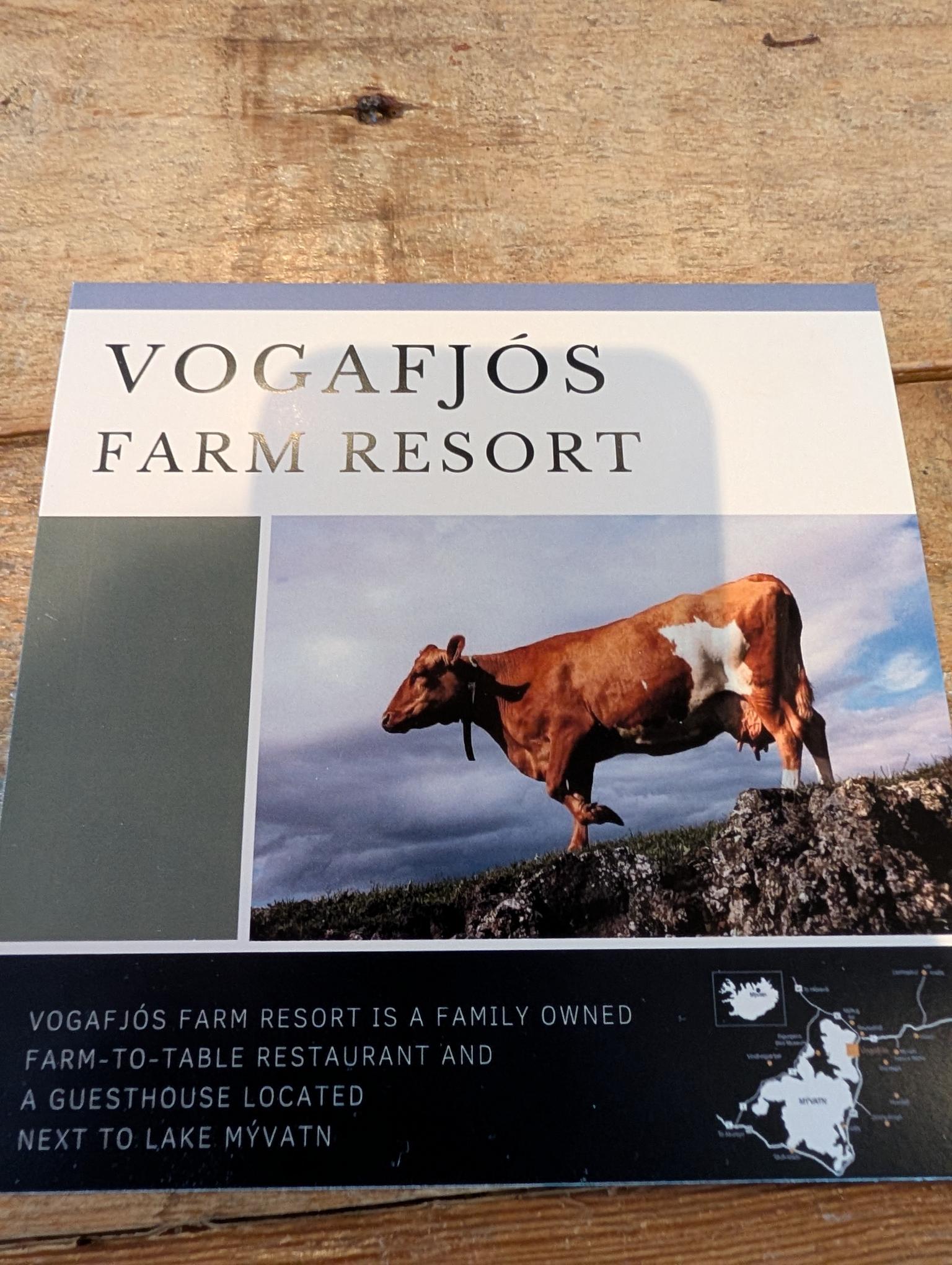
One of my favorite parts of traveling isn't just seeing incredible places it's talking with the people who built them. While exploring North Iceland, I stopped at Vogafjós Farm Resort, a unique property located on the shores of Lake Mývatn. What started in 1999 as a working dairy and sheep farm has evolved into a thriving eco-resort, restaurant, and destination experience that attracts visitors from around the world.
I had the opportunity to sit down with one of the managers, Ólöf, and talk about how they've grown the business over the years. One thing she said immediately caught my attention:
"About 90% of our business comes from online marketing."
That's a powerful statement, especially considering this isn't a luxury resort in a major city. It's a family-rooted farm in one of the most remote and beautiful parts of Iceland. Vogafjós began its journey in 1999, and like many successful businesses, growth didn't happen overnight. They slowly expanded, built their reputation, invested in their online presence, and created experiences visitors couldn't find anywhere else.
Today, guests can stay on a working farm, enjoy farm-to-table meals, watch cows being milked, and experience authentic Icelandic agriculture (although I did NOT care for the smoked lamb but others loved it, LOL) while surrounded by some of the country's most stunning natural landscapes. Their success offers several lessons for tourism businesses everywhere.
1. Sell the Story, Not Just the Stay
Travelers today are looking for experiences. Anyone can book a hotel room. What they can't find everywhere is the opportunity to eat food produced on-site, meet the farmers, learn about local traditions, and connect with the culture. Vogafjós doesn't market itself as simply a place to sleep. They market an authentic Icelandic experience. The best tourism brands understand that their greatest asset is often their story. A byproduct (in my opinion and experience) is that American’s love this! What’s the saying “is it IG worthy”?
2. Be Visible Where Travelers Are Searching
When Ólöf mentioned that 90% of their business comes from online marketing, it reinforced something I tell clients all the time:
If people can't find you online, they can't book you.
For tourism businesses, this means:
- Strong Google Business Profiles
- High-quality photography
- Active social media channels
- Consistent reviews and reputation management
- Search engine optimization (SEO)
- Partnerships with travel platforms and booking engines
Many businesses focus on building the experience but neglect making it discoverable.
The winners do both.
3. Market Before the Tourist Arrives
One of the most interesting things Ólöf shared was their participation in tourism marts in countries with direct flight connections to Northern Iceland, including markets like the Netherlands.
This is smart destination marketing. Rather than waiting for travelers to discover them, they actively promote their business in regions where travel demand already exists. For tourism operators, understanding airline routes and source markets can be a game changer.
Ask yourself:
- Where are my visitors coming from?
- Which countries have direct access to my destination?
- What travel trade events can I attend?
- Which tour operators already serve my region?
Sometimes the best marketing happens long before a visitor starts searching online.
4. Create Content Around Authenticity
One thing Vogafjós has that many tourism businesses overlook is an endless supply of authentic content.
- The farm.
- The animals.
- The food.
- The seasons.
- The people.
These aren't marketing gimmicks they're real stories.
Travelers can spot authenticity from a mile away. The most effective content isn't always professionally produced; it's often the behind-the-scenes moments that showcase what makes a place unique.
For tourism brands, your daily operations may contain your most valuable marketing assets.
5. Sustainability Is a Marketing Advantage
As travelers become more conscious of environmental impact, eco-tourism continues to grow (especially in a country like Iceland). Vogafjós has naturally positioned itself within that movement by maintaining its agricultural roots while building a sustainable tourism experience. The lesson isn't to jump on a trend. The lesson is to communicate the values already built into your business. When sustainability is genuine, it becomes a differentiator.
Final Thoughts
What impressed me most about Vogafjós Farm Resort wasn't the buildings or even the incredible location.
It was the long-term thinking.
Since 1999, they've steadily grown from a working dairy and sheep farm into one of North Iceland's most memorable visitor experiences.
No shortcuts.
No overnight success story.
Just a commitment to delivering something authentic and making sure the world knows about it.
For tourism businesses everywhere, that's the formula:
Create an experience worth talking about, tell your story consistently, and meet travelers where they're already looking.
The rest takes time.
And sometimes, a working farm in Iceland is the perfect reminder that great marketing isn't about being the loudest voice in the room—it's about being the most memorable.